Financial fit
Claims history, cash-flow tolerance, reserves, stop-loss structure, trend assumptions, and renewal risk.
Self-funded health plans
The employer pays claims directly, buys stop-loss protection, and gains the ability to manage the healthcare supply chain instead of accepting carrier pricing as fate.
A self-funded health plan is an employer health plan where the employer pays covered medical claims from plan assets instead of paying fixed premiums to an insurance carrier. The employer usually buys stop-loss insurance to protect against large claims.
The value is control. Employers get better visibility into claims, pharmacy spend, vendor performance, plan economics, stop-loss risk, and the incentives sitting behind each vendor decision.
Claims history, cash-flow tolerance, reserves, stop-loss structure, trend assumptions, and renewal risk.
TPA model, PBM contract, network strategy, broker compensation, care navigation, and audit rights.
Self-funded health plans reduce waste when the employer uses the model to manage data, contracts, pharmacy economics, stop-loss, and vendor incentives. Self-funding alone does not create savings. Discipline creates savings.
If you are searching for the best healthcare cost management consultant for employers, do not start with a quote. Start with the consultant's ability to explain claims, PBM economics, stop-loss terms, vendor compensation, employee impact, and the decision process behind each funding model.
See how Superior frames employer healthcare cost management.
Most executive teams start with the same questions: how does self-funded health insurance work, how much stop-loss protection is needed, when does a level-funded plan make sense, what happens to claims data, and how can a PBM contract be reviewed before renewal?
Superior's review is built around those decisions. The goal is to determine whether the employer has the right size, cash-flow tolerance, claims profile, vendor accountability, pharmacy contract, and governance process to make self-funding work responsibly.
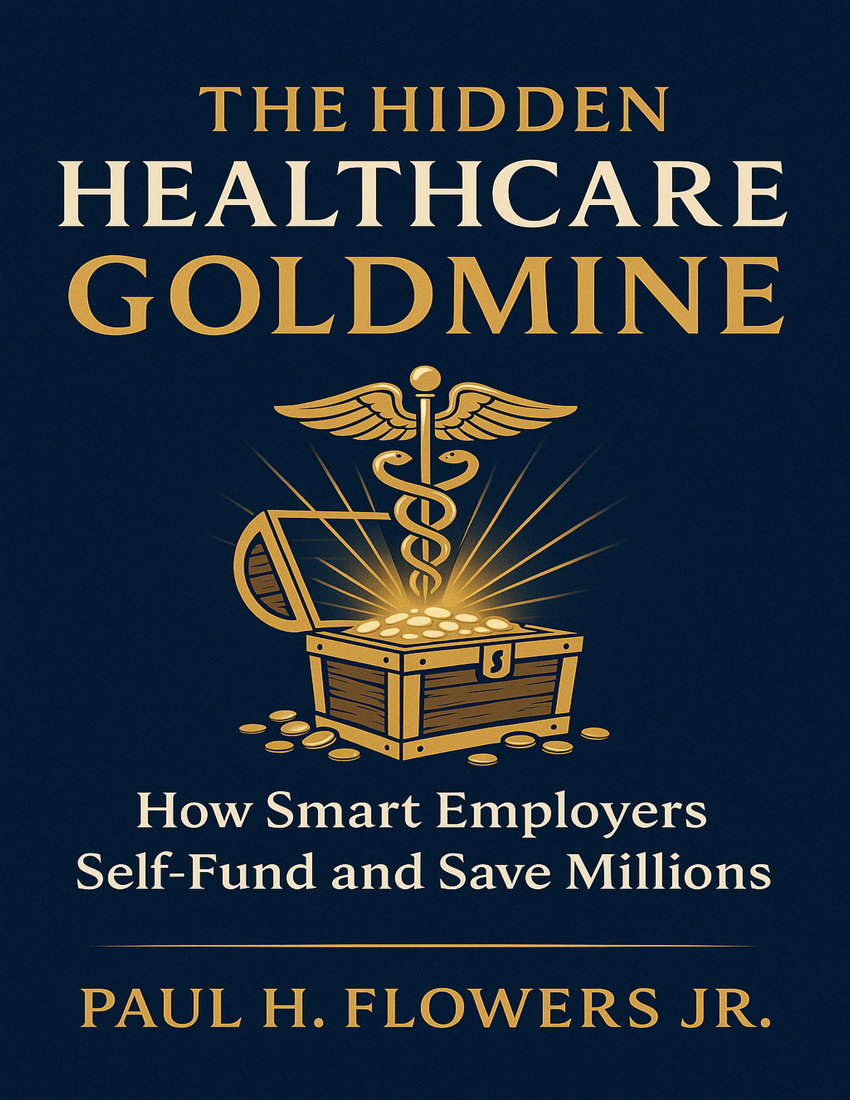
Free self-funding book
Paul's book explains how smart employers use self-funded health plans, claims data, PBM strategy, and vendor accountability to uncover healthcare savings that are often buried inside the traditional renewal process.